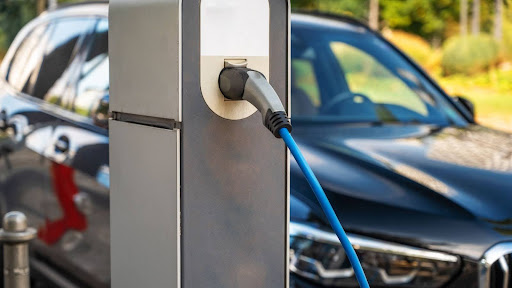
America’s electric vehicle market finds itself at an unusual moment — surging consumer interest on one hand, and stubborn structural barriers on the other. Gas prices have reached $3.90 per gallon nationally, a near three-year high driven by the Iran conflict and its disruption of global oil markets. EV searches have climbed 20 percent in response. The question now being debated is whether this will be a genuine tipping point or another wave of interest that recedes with gas prices.
The oil market disruption has its roots in the Strait of Hormuz. Following US and Israeli military strikes, Iran closed this critical waterway, through which roughly a fifth of world oil trade moves. Global crude prices rose sharply as a result, and American consumers have been paying the difference at the pump ever since. The conflict’s energy implications have proven more significant and sustained than initially anticipated by markets.
CarEdge analyst Justin Fischer said the EV interest surge was data-confirmed and clearly conflict-driven, with search spikes visible within 48 hours. He cautioned that the durability of the trend depends heavily on how long fuel prices remain elevated. Edmunds’ Jessica Caldwell noted that consumer interest in EVs tends to track closely with gas prices, making sustained fuel price pressure a potential catalyst for a more fundamental shift in purchasing patterns.
Don Francis of the EV Club of the South offered a ground-level perspective. He said interest is clearly rising in his community, but that range anxiety remains a persistent deterrent for buyers on the fence. Range anxiety — the concern about running out of charge before reaching a charging station — continues to hold back many potential EV buyers despite significant improvements in battery technology and charging infrastructure in recent years.
The used EV market nonetheless offers compelling options for buyers willing to overcome that hesitation. Models available under $25,000 include pre-owned Teslas, Nissan Leafs, and Chevy Equinox EVs — vehicles that offer meaningful range for most daily driving needs. Meanwhile, hybrid vehicles offer an intermediate option that addresses range concerns while still reducing fuel costs. Whether these options, combined with high gas prices, will be enough to tip the scales for the broader American market remains to be seen.