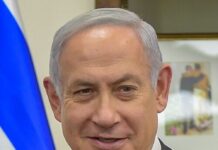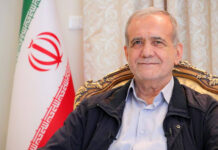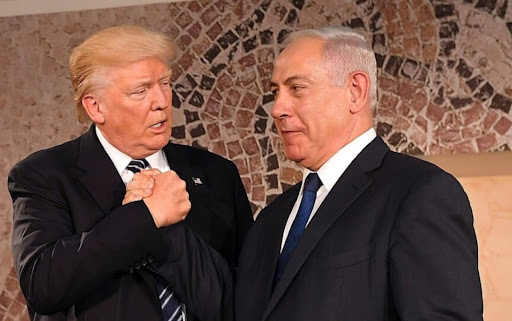
One reason the strategic gap between Israel and the United States has been slow to close is a political one: Israeli Prime Minister Benjamin Netanyahu enjoys strong domestic support for an extended, ambitious campaign against Iran — support that gives him the freedom to pursue goals that go beyond what Washington has sanctioned. US President Donald Trump, by contrast, operates under different political and economic pressures that have pushed him toward a narrower definition of success in the conflict.
That difference became visible when Israel struck Iran’s South Pars gas field without American endorsement. Trump said publicly he had advised Netanyahu against it. The strike triggered Iranian retaliation and a surge in global energy prices, drawing protests from Gulf states and adding economic pressure to the geopolitical fallout. Netanyahu confirmed acting alone, agreed not to repeat the strike, and continued to frame the relationship with Trump in the most positive terms he could muster.
Israel’s domestic politics help explain the gap. Netanyahu’s political position benefits from a population that views the Iran conflict as existential — and that supports an aggressive approach to Iranian power. That public backing gives him room to push harder and further than American political dynamics allow Trump to endorse. It also means that American requests for restraint carry only so much weight.
Trump has navigated the situation carefully. He called out the gas field strike publicly but stopped well short of threatening any consequences. His language made clear he disapproved but also that the alliance remained intact. Senior US officials reinforced that message, stressing coordination and shared purpose — even while acknowledging that American strategy is driven by American interests, not Israeli ones.
Director of National Intelligence Tulsi Gabbard’s congressional testimony provided the clearest official acknowledgment of the divergence: the two governments have different objectives. Trump’s goal is nuclear prevention; Netanyahu’s is regional transformation with new Iranian leadership. Trump has also retreated from regime-change rhetoric. Netanyahu has not. Whether Washington can manage an ally whose ambitions have outgrown the mission is a question that will define the next phase of the conflict.