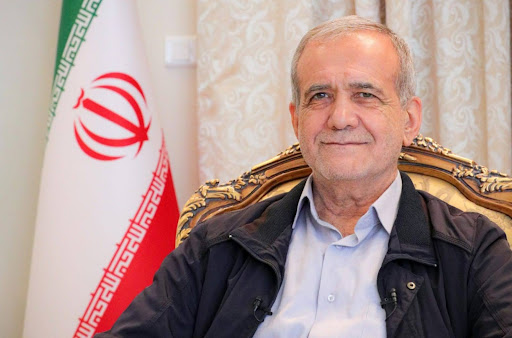
Iranian President Masoud Pezeshkian has positioned Gulf nations as key actors in the resolution of the ongoing war between Iran and the United States, telling them that their choices about hosting enemy forces will determine whether the conflict continues or ends. His message, delivered over a month into the war, adds a significant new diplomatic dimension to the conflict. Tehran is clearly seeking to empower Gulf governments to act as independent agents rather than passive hosts of American military power.
The war has drawn in Gulf nations including Saudi Arabia, the UAE, Kuwait, Qatar, and Oman, all of which host significant US military infrastructure. Strikes on Iran launched from these countries have triggered Iranian retaliatory attacks on the same nations. The resulting instability has created a situation where Gulf governments are suffering the consequences of decisions made primarily in Washington.
Pezeshkian posted on X to communicate Iran’s firm but restrained military stance, affirming that Tehran will not initiate attacks but guarantees a strong response to any targeting of its infrastructure or economic centres. He appealed to Gulf leaders to take action to deny enemies the use of their territory for war against Iran, framing this as the path to genuine security and development. The appeal was grounded in the language of mutual interest and regional solidarity.
Pakistan’s diplomatic role has grown considerably during the conflict, with Prime Minister Shehbaz Sharif serving as a reliable channel between Iranian leadership and other regional parties. Sharif’s engagement with Pezeshkian revealed that Iran sees trust as an indispensable precondition for any formal negotiations. Tehran has praised Pakistan’s contributions to the peace process, reinforcing Islamabad’s credibility as a mediator.
A multilateral diplomatic consultation in Pakistan is attracting senior officials from Saudi Arabia, Egypt, and Turkey. Their discussions with Pakistani Foreign Minister Ishaq Dar and Prime Minister Sharif are aimed at developing coordinated strategies for de-escalation. The talks represent a significant diplomatic opportunity that could shape the future direction of the conflict.