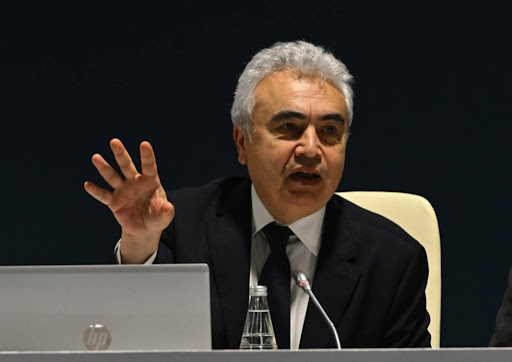
Fatih Birol, the executive director of the International Energy Agency, has confirmed the organization is ready to deploy additional emergency oil reserves if the energy crisis caused by the Iran war continues to worsen. The IEA chief, speaking in Canberra, said the agency’s initial release of 400 million barrels on March 11 — the largest in its history — represented just 20 percent of available stocks. He said the decision on further releases would be based on close monitoring of global market conditions and consultations with member governments.
Birol described the current crisis as equivalent to facing the 1970s twin oil shocks and the Ukraine gas disruption simultaneously, representing an unprecedented convergence of energy supply shocks. The conflict, which began with US and Israeli strikes on Iran on February 28, has removed 11 million barrels of oil per day from global supply alongside 140 billion cubic metres of natural gas. These losses far exceed those caused by any previous energy crisis in modern history.
The Strait of Hormuz, through which approximately 20 percent of global oil flows, remains closed to commercial shipping after attacks on vessels. At least 40 Gulf energy assets have been severely damaged, meaning physical supply restoration will take time even after the conflict ends. Birol identified reopening the strait as the single most important step toward easing the global energy emergency.
The IEA has recommended demand-side measures including expanded working from home, lower highway speed limits, and reduced commercial air travel. Birol met with Australian Prime Minister Anthony Albanese and said he was consulting with governments in Asia, Europe, and North America about the appropriate timing and scale of any further reserve release. He stressed that reserve deployments could ease market pressure but could not substitute for lost production capacity.
Iran responded to Trump’s 48-hour ultimatum to reopen the strait with threats of retaliatory strikes on US and allied energy and water infrastructure. The Asia-Pacific region, including Japan, South Korea, and Australia, has been among the most affected by the closure. Birol warned that no country would be immune from the consequences of a prolonged crisis and urged governments to prioritize collective action over individual fuel hoarding.