Global oil prices climbed toward $110 a barrel on Wednesday as Iran threatened sweeping strikes against refineries and gas facilities in Saudi Arabia, the UAE, and Qatar in response to an Israeli attack on its South Pars gasfield. The Revolutionary Guards named specific targets and issued evacuation orders. The crisis shook energy markets that were already struggling under the weight of months of conflict-driven supply disruption.
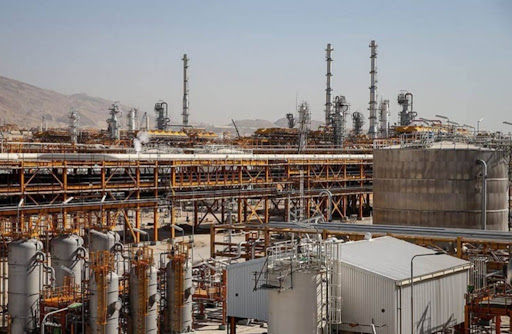
South Pars holds the world’s largest natural gas reserves and is jointly managed between Iran and Qatar. The Israeli strike on the field — reportedly carried out with US approval — was the first deliberate assault on Iranian fossil fuel production in the conflict. The attack represented a significant policy shift, ending months of restraint around energy infrastructure and opening the door to a new wave of escalation.
Iran’s state media named the Samref refinery and Jubail complex in Saudi Arabia, al-Hosn gasfield in the UAE, and Mesaieed and Ras Laffan in Qatar as targets for imminent strikes. Workers and residents near these facilities were instructed to evacuate immediately. The governor of Asaluyeh province called the US-Israeli action “political suicide” and said the conflict had become a full-scale economic war.
Oil climbed to $108.60 a barrel — a nearly 5% rise — while European gas benchmarks jumped more than 7.5% to over €55.50 per megawatt hour. These market moves reflected deep concern about the trajectory of the conflict. Gulf oil exports had already fallen 60% from pre-war levels, hammered by drone and missile strikes and Iran’s Strait of Hormuz blockade. Further Iranian strikes on Gulf energy facilities could turn a manageable crisis into an unmanageable one.
Qatar’s government warned through its spokesperson that targeting energy infrastructure posed a serious risk to global energy security, the environment, and regional populations. With global attention focused on the Gulf and Iran’s retaliatory timeline already running, the next phase of the conflict seemed certain to be defined by energy — not just military — confrontation. The world’s dependence on Gulf energy had never made it more vulnerable.