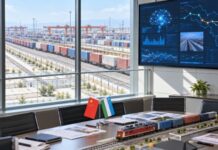
The China-Pakistan relationship is undergoing a significant transformation as both nations expand their collaboration beyond traditional infrastructure projects to encompass economic, technological, and strategic dimensions. Historically, the alliance has been most visibly manifested through the China-Pakistan Economic Corridor (CPEC), a massive investment initiative that has focused on developing infrastructure such as roads, ports, and power facilities. This corridor, launched in 2015, has been integral in linking western China to the Arabian Sea via Pakistan, spearheading numerous projects like the Gwadar Port, transport networks, and power plants, which have been pivotal in alleviating Pakistan’s energy shortages and enhancing regional connectivity while bolstering China’s access to the Indian Ocean.
In recent developments, the cooperation under CPEC is transitioning into what can be termed a second phase, characterized by a focus on sustainable economic growth, industrial development, and technological advancement. This phase broadens its scope to include special economic zones, industrial investments, and the cultivation of digital infrastructure and innovation. The two countries are now placing a greater emphasis on high-tech sectors, with collaborative efforts in 5G technology, fiber-optic networks, satellite technology, e-commerce, and information technology becoming key areas of interest.
Additionally, the private sector is increasingly becoming a vital component of this bilateral relationship. Through various investment conferences, Chinese and Pakistani businesses have forged numerous agreements and joint ventures, underscoring an expanding business-to-business cooperation. This evolution signals a shift from merely focusing on physical infrastructure to fostering long-term economic and institutional capabilities. Furthermore, the partnership is extending into education and human capital development, with thousands of Pakistani students pursuing studies in Chinese universities. These students are acquiring technical skills and forming networks that are expected to shape the future dynamics of this bilateral cooperation.
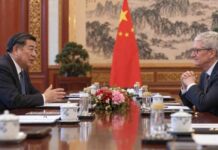
On the diplomatic front, Beijing and Islamabad are enhancing their coordination on regional and international matters, reflecting a strategic partnership that transcends infrastructure alone. While there are ongoing challenges such as security issues, financial constraints, and the complexities of implementation, both countries remain committed to cultivating a diverse and resilient relationship that can withstand future uncertainties.