The European Union is considering implementing new restrictions on imports from China due to growing concerns about the bloc’s increasing reliance on Chinese goods and the potential consequences for European industries. EU officials are convening to assess the impact of rising Chinese imports across various sectors, including manufacturing, agriculture, healthcare, technology, and defense. The fear is that an influx of cheaper Chinese products could undermine domestic industries and lead to industrial decline in certain regions of Europe.
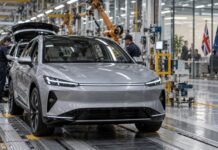
These discussions are taking place against the backdrop of what some policy-makers are calling “China Shock 2.0,” a term that refers to the swift rise in Chinese exports, which include electric vehicles, industrial machinery components, medical equipment, and consumer goods. While no immediate policy decisions are anticipated from these initial talks, the objective is to develop a coordinated European strategy ahead of future meetings among EU leaders.
Among the potential measures being considered are import quotas, tariff-rate quotas, and other trade safeguards aimed at protecting industries that are facing significant competition from heavily subsidized or lower-cost Chinese imports. Economic experts have cautioned the EU about the importance of balancing protective measures with continued engagement with China, as the country remains one of Europe’s largest trading partners and a vital market for numerous European businesses.
Analysts point out that China’s industrial strategy remains focused on manufacturing growth and technological advancement, which could increase the likelihood of trade tensions with major export markets. At the same time, the EU is a crucial market for Chinese exporters, particularly in sectors like electric vehicles and advanced manufacturing products. Any substantial trade restrictions could provoke retaliatory actions from Beijing, elevating risks for both parties involved.
These discussions underscore Europe’s larger effort to bolster economic resilience while navigating its complex trade relations with China. The EU’s challenge lies in strengthening its own industries without compromising the valuable trade partnership with China, which plays a significant role in the European economy.