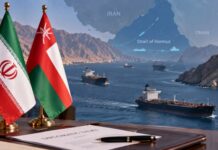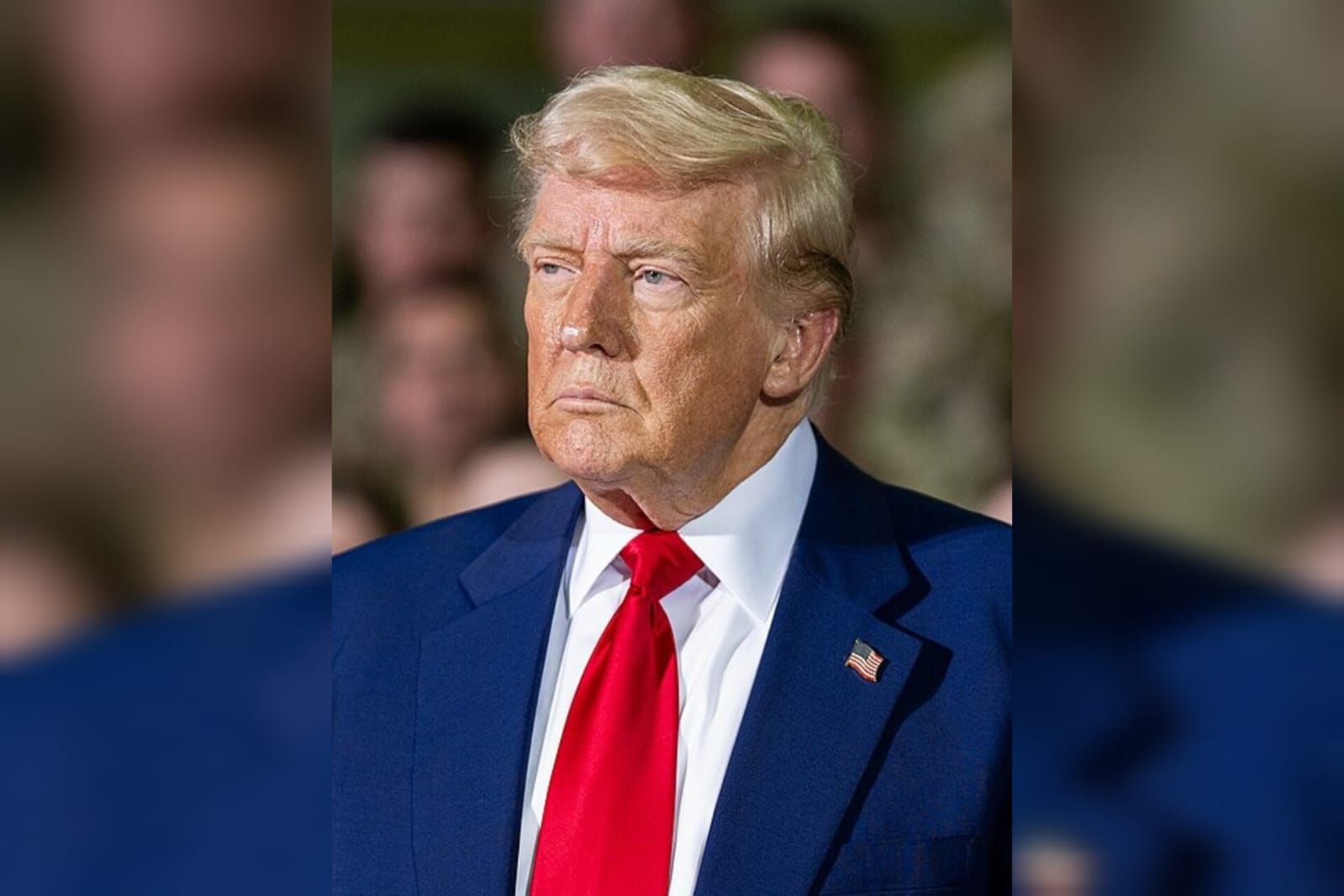
In a significant diplomatic move, U.S. President Donald Trump has entered into a 14-point agreement with Iran, hailed as a critical step in averting a potential global economic downturn. By signing this agreement, both nations have reopened the Strait of Hormuz, a vital artery for oil shipments worldwide. Iranian President Masoud Pezeshkian’s signature on the document also signals the beginning of a 60-day negotiation window aimed at establishing a more comprehensive and lasting resolution.
The terms of the agreement include Iran’s commitment to reopen the Strait of Hormuz and engage in dialogues concerning its nuclear program. In exchange, the United States has agreed to alleviate certain sanctions, permit the export of Iranian oil, unfreeze billions of dollars in Iranian assets, and endorse broader economic initiatives that may aid in rejuvenating Iran’s economy. The agreement further encompasses deliberations to reduce Iran’s stockpile of highly enriched uranium, subject to international oversight.
President Trump has defended the diplomatic path, asserting that it is the sole means to prevent a broader conflict that could result in severe global economic disturbances. He emphasized that stabilizing energy markets and mitigating risks to international shipping would follow the reopening of the Strait of Hormuz. While he noted that Gulf nations might invest in Iran’s reconstruction, he clarified that the United States has no plans to contribute financially.
The agreement has elicited a spectrum of reactions. Proponents argue that it diminishes regional tensions, reinstates global energy security, and paves the way for extended negotiations over Iran’s nuclear pursuits. On the flip side, critics contend that the deal offers Iran substantial economic relief without extracting substantial commitments regarding its ballistic missile program or regional influence, thus possibly endowing Tehran with considerable financial and strategic leverage.
Further commitments within the agreement aim to reduce regional hostilities. Iran has vowed to abstain from pursuing nuclear weapons and to show restraint through its regional allies. Additional discussions are anticipated to tackle unresolved matters, including missile development and broader Middle East security. Both nations have labeled the agreement a noteworthy achievement; however, its enduring success hinges on the outcomes of the forthcoming negotiations.