China has quickly ascended to become the world’s largest market for electric vehicles, spurring the rapid growth of leading companies and altering the landscape of the global automotive industry. This ambitious expansion, however, has given rise to concerns about potential overproduction and escalating competition within the sector. Over the last ten years, a combination of government incentives, significant local investments, and robust consumer interest has attracted hundreds of firms to the electric vehicle industry. This strategic push has not only fostered the development of some of China’s top automakers but also bolstered the nation’s expertise in battery technology and sustainable transportation.
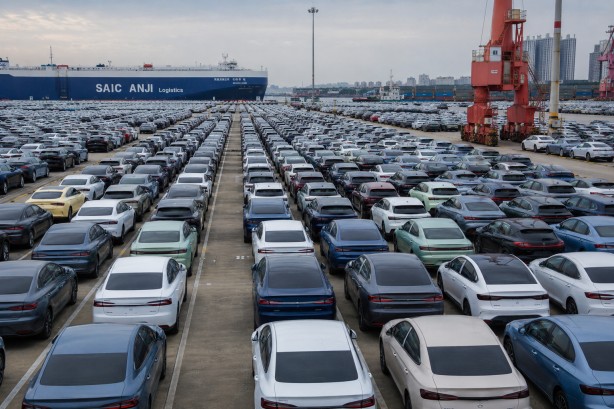
Yet, the swift growth has, in some cases, exceeded market needs, leading to a surge in production capacity. This has resulted in automakers establishing facilities that can manufacture more vehicles than the current demand justifies, triggering price wars and financial strain throughout the industry. As manufacturers vie for market share, the competition has intensified, driving companies to slash prices to lure customers. While larger firms continue to invest heavily in technology, production capabilities, and international ventures, smaller companies find it increasingly challenging to stay competitive.
Chinese authorities have recently expressed apprehension over the issue of overcapacity, cautioning that unchecked expansion could pose economic risks. Industry experts suggest that the key challenge lies in striking a balance between fostering innovation and maintaining healthy competition, all while ensuring sustainable development in the long term. Despite these challenges, China maintains its position as a global leader in the electric vehicle market. Chinese manufacturers are not only dominating domestically but are also making significant inroads into international markets, setting the stage for a transformation in the future of transportation.