Taiwan’s Central Election Commission (CEC) has implemented updated eligibility criteria for individuals born in China seeking to run for public office. Under the new regulations, candidates must provide evidence that they canceled their Chinese household registration at least a decade before their candidacy registration. The CEC emphasized that this requirement is rooted in existing legal interpretations rather than political considerations. Additionally, aspiring candidates are required to have maintained their household registration in Taiwan for a minimum of ten years following the submission of their cancellation proof.
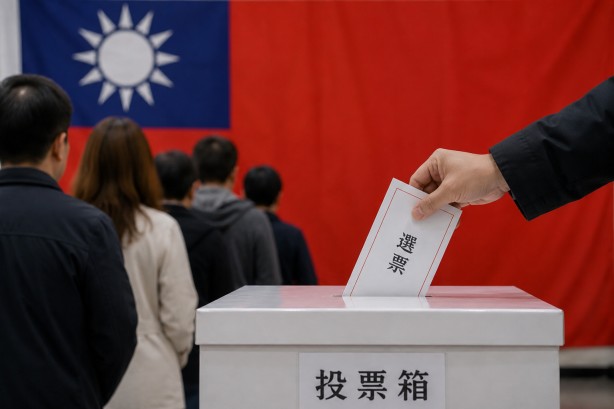
While the focus has been on candidate eligibility, the commission is also addressing concerns related to proposed modifications in referendum voting procedures. Officials have cautioned that these changes might complicate the electoral process. For instance, they warned that implementing multiple referendum questions on a single ballot could present logistical and legal challenges, potentially leading to an increase in invalid ballots and even delaying vote counting to the next day. This complexity could also hinder the recruitment of election workers, a critical component in ensuring smooth election administration.
The commission’s actions come amid a broader context of maintaining fair and transparent electoral processes in Taiwan, which prides itself on its democratic practices. By tightening the rules for candidate eligibility, the CEC aims to ensure that those running for office have a longstanding commitment to Taiwan, particularly for those originally from China. These measures reflect an intent to uphold the integrity of the island’s political system while navigating the complexities of its relationship with China.
In parallel, the potential challenges posed by changes to the referendum process highlight the delicate balance the CEC must strike between facilitating public participation in democracy and managing the practicalities of election administration. As Taiwan continues to engage its citizens in democratic processes, the commission’s efforts underscore the importance of adaptability and foresight in electoral management. The feedback from these regulatory adjustments will likely inform future electoral reforms, ensuring that Taiwan’s democratic processes remain robust and inclusive.