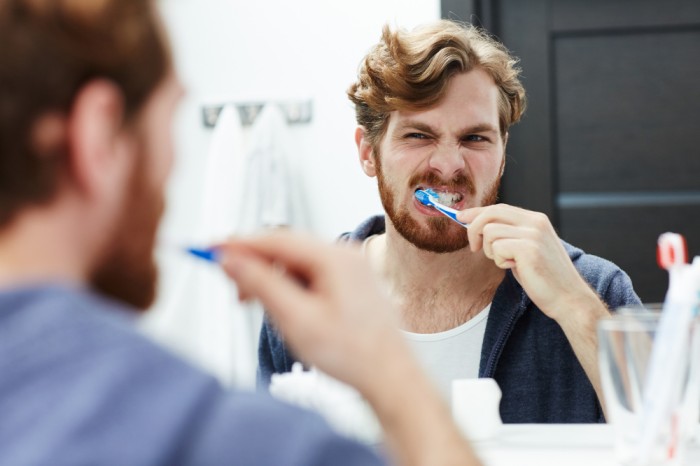
Maintaining good oral hygiene is crucial for ensuring healthy teeth and gums, yet the effectiveness of brushing is often determined by technique. Missteps in brushing routines can lead to enamel erosion, gum irritation, and a higher likelihood of dental complications. Dental professionals highlight the importance of using the proper brushing method, selecting the right toothbrush, and adhering to consistent dental care practices to preserve a bright smile. Here are four common brushing errors to be mindful of for optimal dental health.
One frequent mistake is brushing with forceful, back-and-forth motions. This aggressive technique can exert unnecessary pressure on the gums and gradually erode the enamel. A gentler, more effective method involves using small, circular motions with the toothbrush and avoiding excessive force. For those using an electric toothbrush, it’s advisable to allow the brush to move on its own rather than applying additional pressure or scrubbing vigorously.
Another error to consider is rinsing the mouth immediately after brushing. This practice can diminish the duration that toothpaste ingredients remain effective on the teeth. These ingredients are crucial for reinforcing and safeguarding the enamel. Instead of rinsing straight away, try simply spitting out the excess toothpaste, which allows the beneficial components to continue their protective work.
Choosing the wrong toothbrush can also compromise oral health. Toothbrushes with hard bristles may be too abrasive for both teeth and gums. Dental experts typically recommend using a soft or extra-soft toothbrush for daily cleaning. Furthermore, replacing your toothbrush regularly is essential, as worn-out bristles lose their cleaning efficiency and can contribute to plaque accumulation and gum issues.
Lastly, neglecting routine dental checkups can undermine daily brushing efforts. While brushing is vital, professional cleanings are equally important for maintaining oral health. Regular dental visits help in early detection of potential problems and removal of buildup that brushing might not eliminate. By combining proper brushing habits with routine dental care, individuals can support their long-term oral health and avert more significant issues down the road.